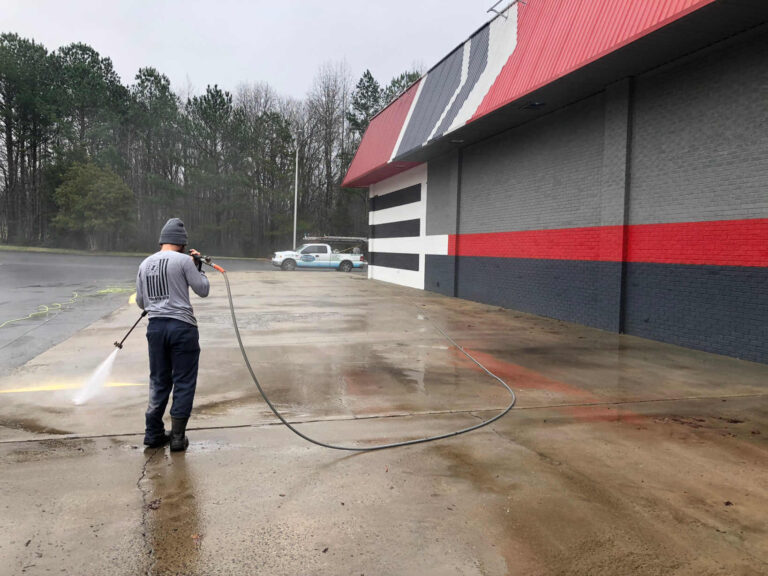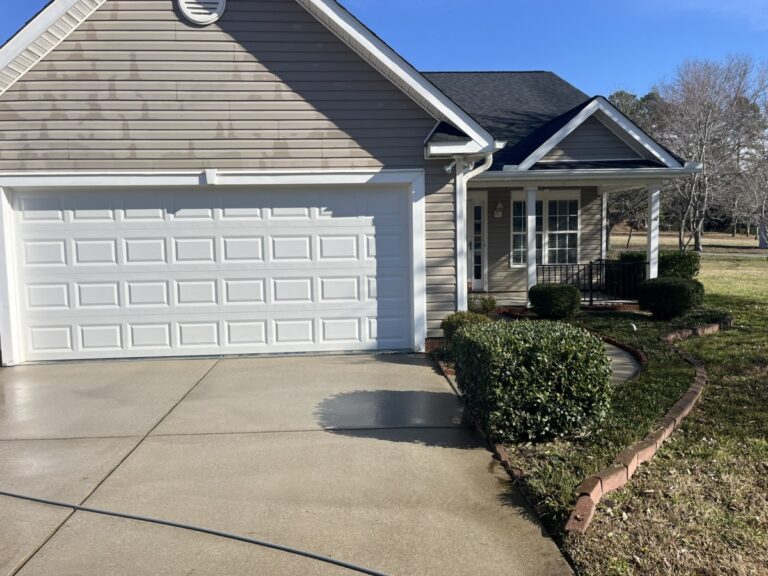

Is Fall a Good Time to Pressure Wash Your House?
Yes, fall can be an excellent time to wash your home’s exterior. Cleaning before winter removes accumulated dirt, algae, mildew, pollen, and organic debris while giving you an opportunity to spot exterior maintenance issues. However, the safest cleaning method depends on your siding and other surfaces. Some materials should be cleaned with low pressure rather than traditional high-pressure washing.
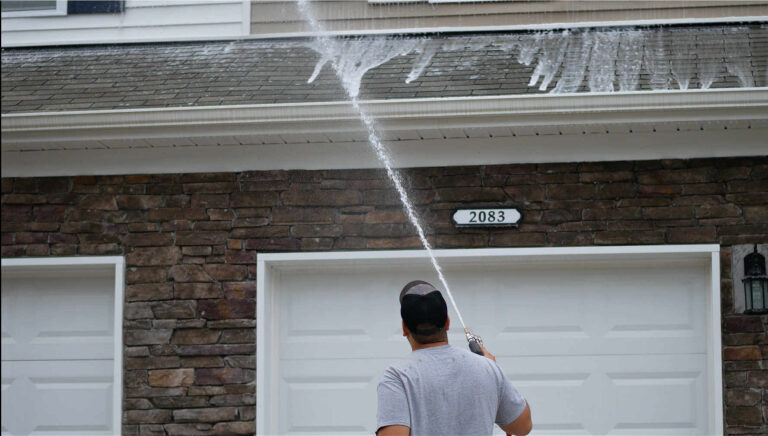
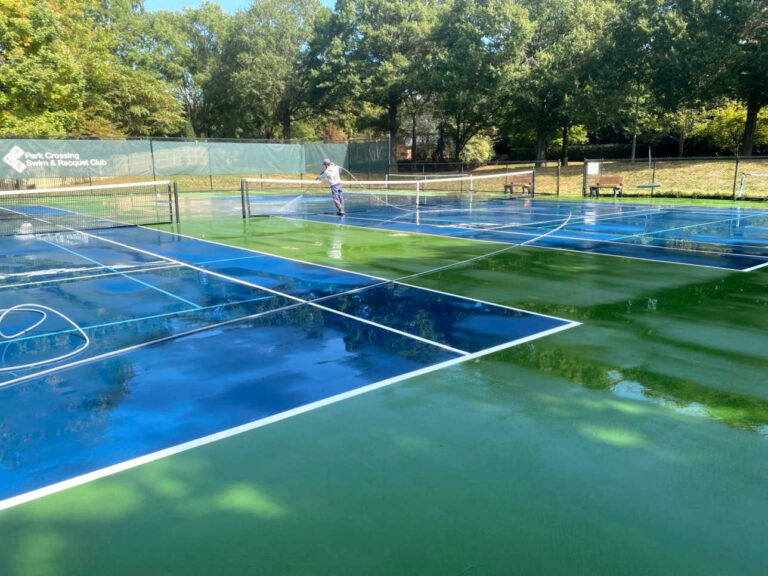
At Zap It Wash, we know exterior cleaning is about more than making a home look better. The right cleaning method helps homeowners care for siding, trim, concrete, and other outdoor surfaces without subjecting them to unnecessary wear. Our team focuses on matching the cleaning process to the material and condition of each surface, with careful attention to customer care and the details that make a property look its best. Fall is an especially useful time to evaluate your exterior because months of warm-weather exposure may have left behind pollen, grime, organic growth, and stains. A professional cleaning can help reset your home’s appearance before colder weather arrives.
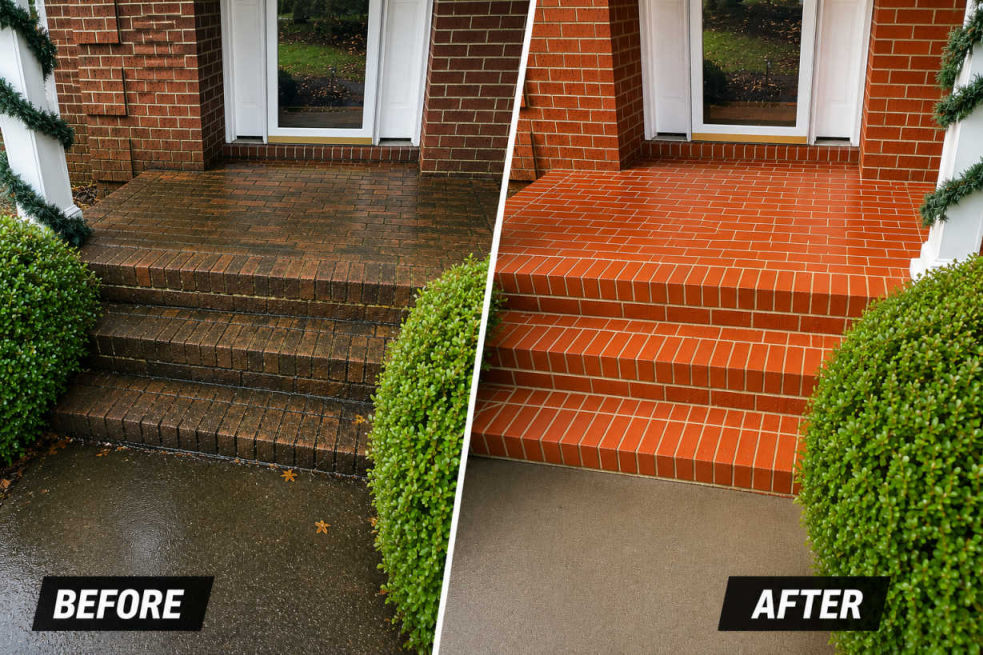
Benefits of Fall Exterior House Washing
Fall house washing can remove buildup before it remains on exterior surfaces through winter. It also fits naturally into seasonal home maintenance, when many homeowners are already cleaning gutters, inspecting siding, trimming landscaping, and preparing outdoor spaces for colder conditions.
The U.S. Environmental Protection Agency notes that mold can grow when spores encounter moisture, and that controlling moisture is key to controlling mold growth. The EPA also recommends addressing mold promptly rather than allowing it to remain.
Why Should You Wash Your House Before Winter?
Washing your house in the fall removes contaminants that have accumulated throughout spring and summer and gives you a cleaner exterior heading into winter.
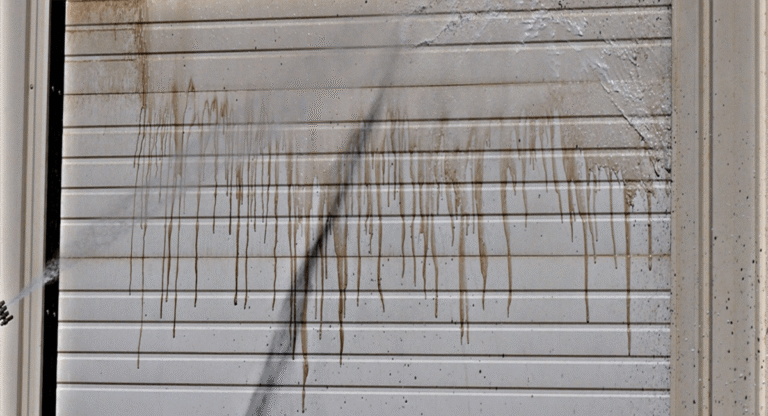
Depending on your property and climate, exterior surfaces can collect:
- Dirt and airborne debris
- Pollen and dust
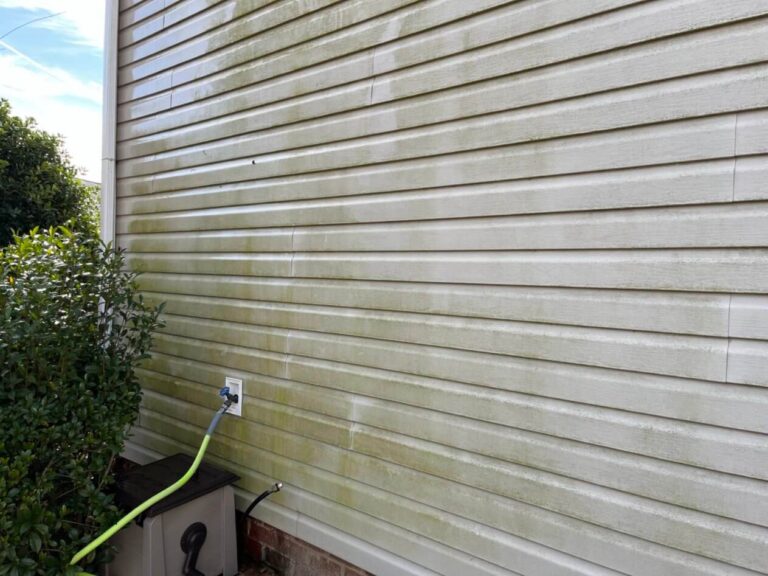
- Algae and mildew
- Mold growth
- Cobwebs and insect debris
- Organic matter from trees and landscaping
- Stains around gutters, soffits, and trim
Removing this buildup improves curb appeal immediately. More importantly, cleaning gives you a better view of the exterior itself.
Once dirt and organic growth are gone, problems such as peeling paint, deteriorated caulk, damaged siding, or other maintenance concerns may be easier to notice. That gives homeowners a chance to investigate repairs before winter weather arrives.
Fall cleaning is also consistent with seasonal maintenance advice from siding manufacturers. James Hardie, for example, recommends cleaning siding as part of preparing a home’s exterior for winter.
Does Fall Weather Make Exterior Cleaning Easier?
Moderate fall weather can provide comfortable conditions for exterior cleaning, but the specific day’s temperature and forecast still matter.
Extremely hot weather can cause cleaning solutions or water to dry quickly on exterior surfaces. At the opposite extreme, freezing conditions create obvious complications. A mild fall day can offer a useful middle ground.
Timing matters, though. Exterior washing is best planned when temperatures are safely above freezing and the weather allows surfaces to dry properly.
Homeowners should also consider nearby trees. If your property receives heavy leaf fall, you may want to coordinate house washing with other seasonal cleanup so freshly cleaned areas are not immediately covered with leaves and debris.
Is Pressure Washing Safe for Every Type of Siding?
No. High-pressure washing is not appropriate for every exterior material, which is why the cleaning method should be selected according to the surface.
The term “pressure washing” is often used broadly to describe exterior cleaning, but more pressure does not automatically mean a better clean.
For example, James Hardie specifically advises against pressure washing its fiber cement siding because high pressure can damage the surface. The manufacturer instead recommends low-pressure water and a soft brush for routine dirt and debris removal.
The Vinyl Siding Institute also provides cleaning guidance centered on gentle methods, including an ordinary garden hose and soft-bristle washing brush.
That is why professional exterior cleaning should begin with identifying the material being cleaned. Depending on the surface and contamination, the appropriate approach may involve controlled pressure, specialized cleaning solutions, soft washing, or another low-pressure method.
A few surfaces requiring special consideration include:
- Vinyl siding
- Fiber cement siding
- Painted surfaces
- Stucco
- Wood
- Brick and masonry
- Roofing materials
- Decorative trim
When in doubt, follow the siding or surface manufacturer’s care instructions rather than assuming a pressure washer is appropriate.
Can Fall House Washing Help With Mold, Mildew, and Algae?
Fall washing can remove visible organic growth and staining from exterior surfaces, although recurring growth may indicate an underlying moisture or drainage issue.
Mold, mildew, and algae are not simply ordinary dirt. Moisture plays an important role in biological growth. The EPA states that mold spores can begin growing when they land on wet surfaces and emphasizes moisture control as the key to managing mold.
Areas around a home that receive limited sunlight, poor airflow, frequent irrigation, or persistent moisture may therefore develop organic buildup faster than other areas.
Cleaning these surfaces in the fall can improve their appearance before winter. Homeowners should also look for conditions contributing to repeated moisture, such as overflowing gutters, drainage issues, leaking fixtures, or vegetation growing directly against the house.
If growth repeatedly returns to the same location, cleaning may only be one part of the solution.
Should You DIY Fall Pressure Washing or Hire a Professional?
DIY cleaning can work for small, easily accessible areas, but professional exterior washing is worth considering when the project involves multiple stories, delicate materials, significant staining, or uncertainty about pressure and cleaning solutions.
One of the biggest risks of DIY pressure washing is using too much force. High-pressure water can damage certain siding finishes and may force water into areas where it does not belong.
Homeowners attempting their own fall exterior cleaning should:
- Check the manufacturer’s cleaning recommendations for the surface.
- Avoid automatically choosing the highest pressure setting.
- Protect plants, furniture, electrical components, and outdoor fixtures.
- Test the cleaning method in a small, inconspicuous area.
- Follow all instructions for cleaning products and equipment.
- Avoid working from unsafe ladders while controlling pressure-washing equipment.
A professional exterior cleaning company can evaluate the material first and choose an appropriate combination of pressure, water flow, cleaners, and technique.
Fall House Washing FAQs
What month is best to pressure wash a house?
There is no single best month for every climate. Early to mid-fall can be a convenient time because homeowners can remove warm-season buildup before colder weather arrives, provided temperatures remain safely above freezing and conditions allow the exterior to dry.
How often should you wash the exterior of your house?
The right frequency depends on siding material, climate, shade, moisture, surrounding trees, and the amount of dirt or organic growth present. Some manufacturers recommend periodic cleaning, so always check the care instructions for your specific siding. James Hardie, for example, recommends cleaning its siding every 6 to 12 months.
Is it better to pressure wash a house in spring or fall?
Both seasons can be appropriate. Spring cleaning removes winter grime and prepares a home for warmer months, while fall cleaning removes buildup accumulated through spring and summer before winter. Homes exposed to significant pollen, trees, moisture, or organic growth may benefit from cleaning based on actual exterior conditions rather than the calendar alone.
Is soft washing better than pressure washing for siding?
It depends on the siding. Some exterior materials and finishes require gentler cleaning, and certain manufacturers specifically discourage high-pressure washing. Always choose a cleaning method compatible with the material rather than treating every exterior surface the same way.
Give Your Home a Fresh Start Before Winter
Fall is a smart opportunity to clean away months of dirt, pollen, algae, mildew, and exterior buildup while taking a closer look at your home’s condition before winter. The key is using the right cleaning method for each surface, not simply applying more pressure.
Ready for professional fall exterior cleaning? Contact Zap It Wash today to schedule your service and give your home a cleaner start heading into winter.