
Why Does Humidity Cause Mold and Algae on Homes in Charlotte, NC?
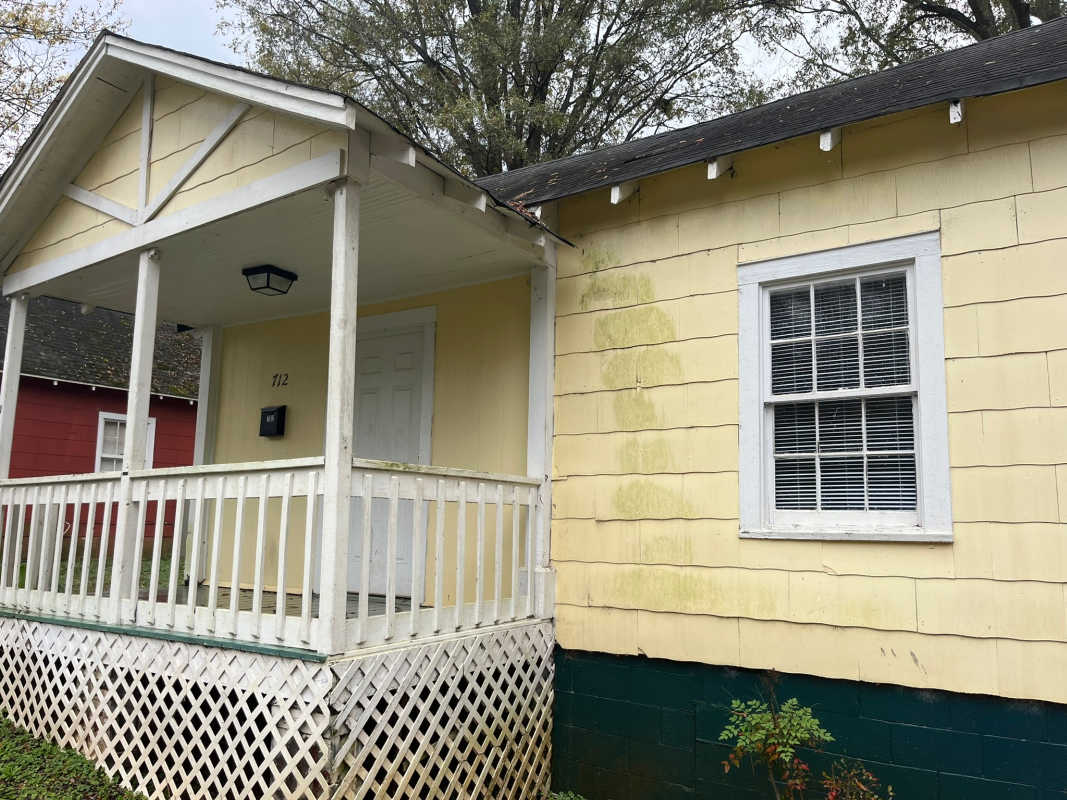
Charlotte’s humidity can keep exterior surfaces damp long enough for mold, mildew, algae, and other organic growth to develop. Siding, brick, concrete, porches, patios, and shaded areas are especially vulnerable because moisture may evaporate slowly. Regular exterior cleaning helps remove this buildup before it leaves a home looking stained, green, or dingy.
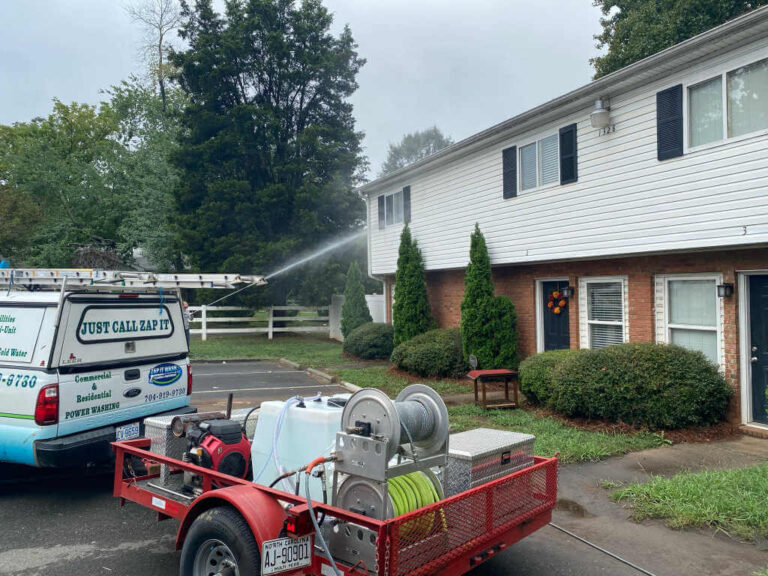
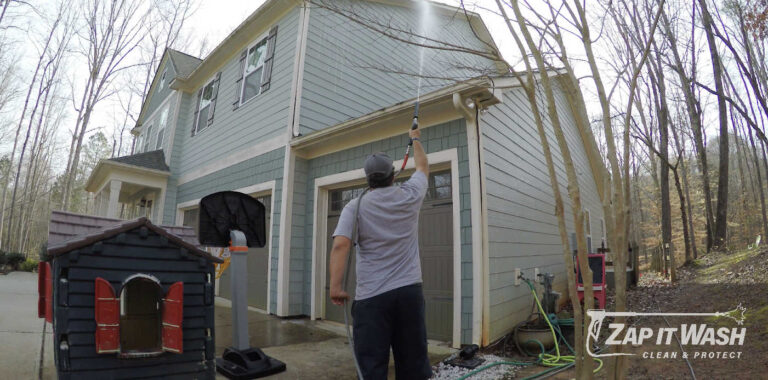
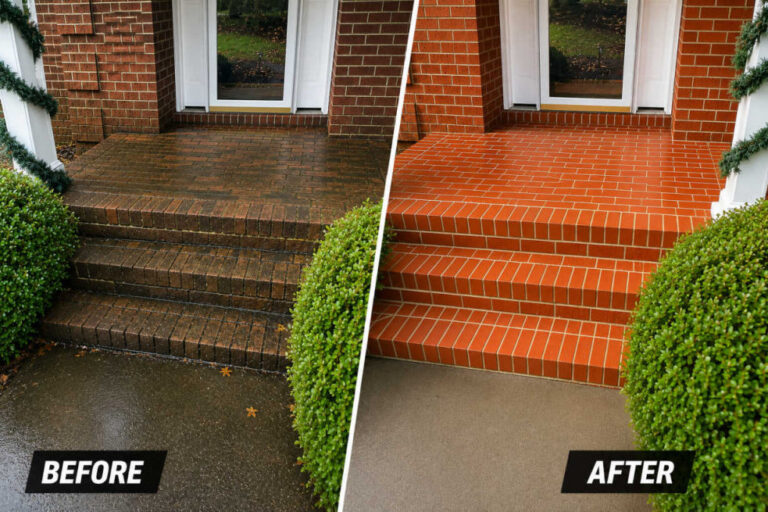
At Zap It Wash, we understand what Charlotte’s climate can do to a home’s exterior. Our team professionally cleans homes and outdoor surfaces throughout Charlotte and surrounding communities, using cleaning methods appropriate for each material. Instead of relying on excessive pressure, we focus on safely removing the organic growth, dirt, pollen, and grime that accumulate over time. From siding and brick to concrete driveways, patios, porches, and other exterior surfaces, our goal is simple: deliver a thorough clean while treating your property with care. For Charlotte homeowners dealing with recurring green or dark stains, understanding the role moisture plays is the first step toward keeping exterior surfaces looking their best.
How Charlotte’s Climate Encourages Exterior Mold and Algae Growth
Charlotte combines warm temperatures, humid conditions, rainfall, and abundant vegetation, all of which can contribute to moisture lingering around a home.
The North Carolina State Climate Office notes that North Carolina receives precipitation throughout the year and that the state’s summers are humid due partly to the influence of warm water from the Gulf of Mexico and Atlantic Ocean. Charlotte also recorded 5.87 inches of rain in May 2026, making it the city’s 18th-wettest May on record, according to the State Climate Office.
That moisture matters because mold requires moisture to grow. The U.S. Environmental Protection Agency states that moisture control is the key to mold control and notes that mold can grow on many materials when sufficient moisture is present.
Outdoors, this means areas that remain damp or dry slowly can become prime locations for unwanted organic buildup.
Why Does Humidity Make Green and Black Stains Appear on a House?
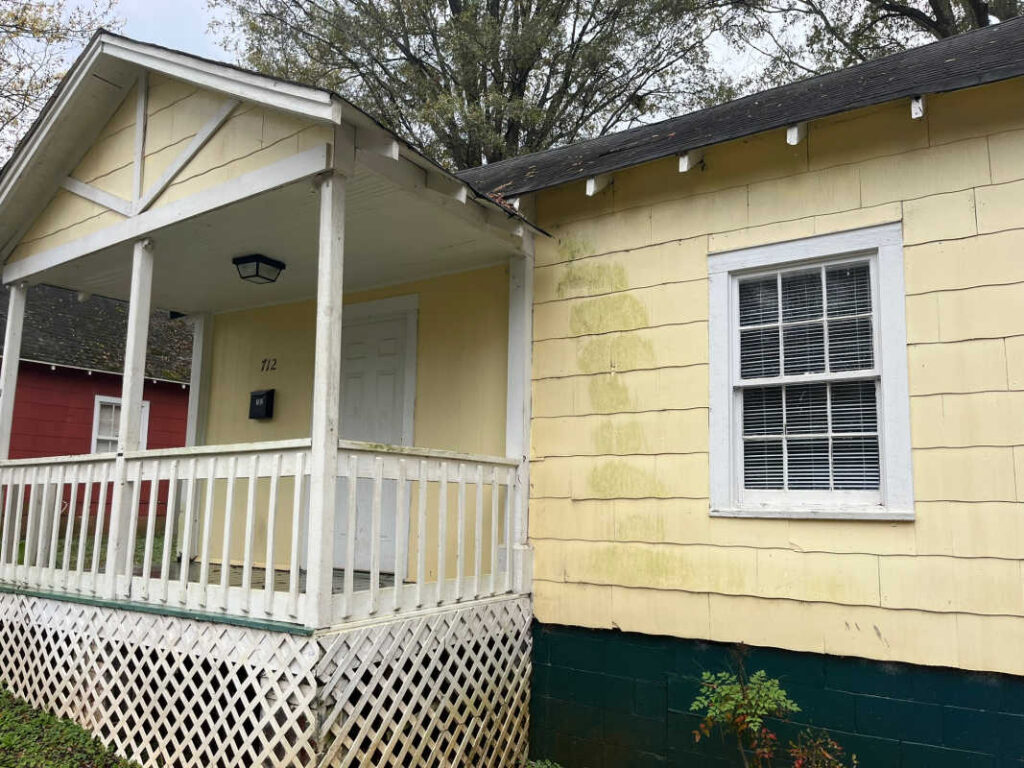
Humidity promotes organic growth because it helps exterior surfaces remain damp, especially in areas with limited sunlight and airflow.
You may notice staining first on:
- North-facing or heavily shaded siding
- Areas underneath trees
- Porch ceilings and columns
- Brick and masonry
- Concrete walkways and driveways
- Patios and pool decks
- Areas near downspouts
- Exterior surfaces surrounded by dense landscaping
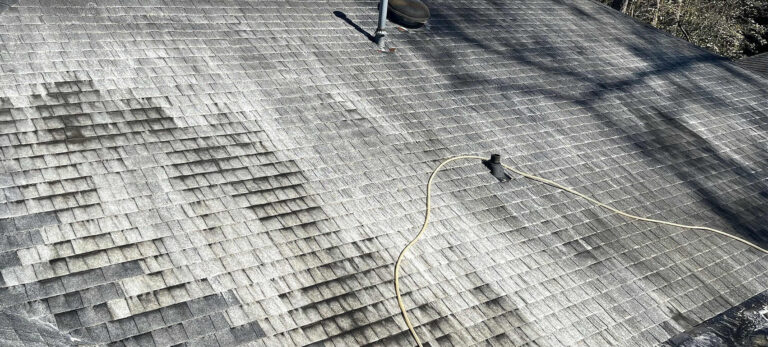
The EPA explains that mold spores naturally exist in the environment and can begin growing when they land on a sufficiently damp surface. While not every green or black exterior stain is mold, persistent moisture can support several types of biological growth.
This is why one side of a Charlotte home can look considerably dirtier than another. A sunny wall may dry quickly after rain or morning moisture, while a shaded wall can remain damp much longer.
Which Exterior Surfaces Are Most Affected by Charlotte Humidity?
Surfaces that collect water, receive limited sunlight, or have porous or textured finishes tend to show moisture-related staining most noticeably.
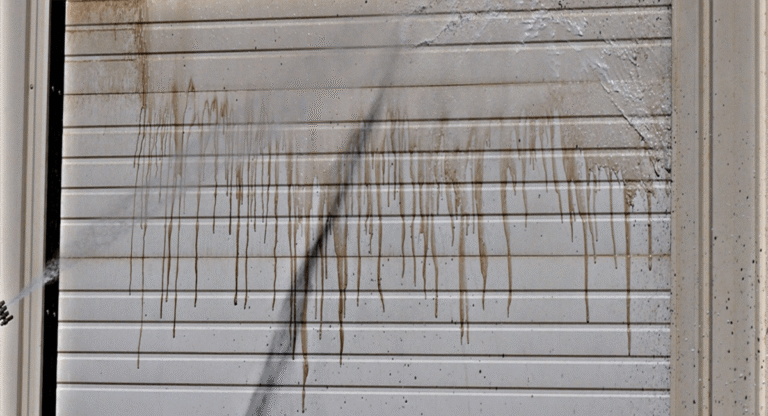
Vinyl siding can develop green or dark organic buildup, particularly in shaded locations. Brick and masonry have textured surfaces where dirt and biological growth can become noticeable.
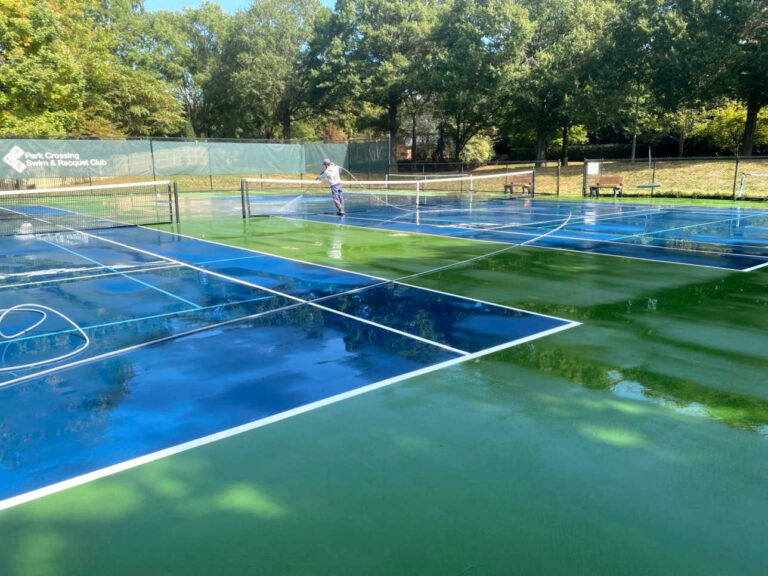
Concrete is another common trouble spot. Driveways, sidewalks, patios, steps, and pool decks are constantly exposed to rain, humidity, leaves, soil, and other organic debris. Once grime and biological growth accumulate, concrete can develop a dark or uneven appearance.
Porches can be especially susceptible because covered areas do not always receive enough direct sunlight to dry quickly. Railings, columns, ceilings, corners, and steps may collect pollen, spider webs, dirt, mildew, and other debris throughout the year.
Why Does Algae Keep Coming Back After Exterior Cleaning?
Algae and similar organic growth can return because cleaning removes existing buildup, but it cannot change Charlotte’s outdoor climate.
If an area continues to receive shade and moisture, the environmental conditions that encouraged growth in the first place remain.
Homeowners can help slow the return of buildup by:
- Keeping gutters and downspouts working properly. Water should drain away instead of repeatedly spilling onto siding, foundations, or concrete.
- Trimming dense vegetation. Improving sunlight and airflow around exterior walls can help surfaces dry faster.
- Addressing drainage problems. Standing water around patios, walkways, and foundations can keep nearby areas damp.
- Watching shaded areas. Inspect sides of the home that receive little sunlight for early signs of green or dark staining.
- Scheduling routine exterior cleaning. Removing buildup before it becomes severe can make exterior maintenance easier.
The EPA also recommends keeping gutters clean and repaired and ensuring that water drains away from foundations as part of broader moisture-control practices.
Can Humidity Damage Your Home’s Exterior?
Humidity itself does not automatically damage siding or concrete, but prolonged moisture and the buildup it encourages can contribute to staining, deterioration, and maintenance problems.
The EPA notes that mold can gradually damage materials it grows on. Exterior materials vary considerably, so the appropriate response depends on whether you are dealing with surface staining, organic growth, damaged paint, deteriorating wood, or another underlying issue.
Homeowners should pay particular attention to persistent moisture. If an exterior area never seems to dry, investigate why. Overflowing gutters, drainage issues, plumbing leaks, damaged exterior materials, dense vegetation, or poor airflow may be contributing to the problem.
Cleaning can address surface contamination, but it does not repair a water intrusion or drainage problem. Those underlying issues should be corrected separately.
How Often Should Charlotte Homeowners Clean Their Exteriors?
There is no universal cleaning schedule for every Charlotte home because exposure to moisture, shade, trees, traffic, and weather varies from property to property.
A practical approach is to inspect your exterior throughout the year and schedule professional cleaning when visible algae, mildew, dirt, pollen, or staining begins to accumulate.
Homes surrounded by mature trees or heavy shade may show buildup sooner than homes with greater sun exposure. Areas near Lake Norman, neighborhood greenways, wooded lots, and other vegetation-heavy environments may also experience different moisture and debris conditions than properties with more open surroundings.
Spring can be a useful time to assess pollen and winter grime, while fall provides an opportunity to address buildup after Charlotte’s warm, humid months. The goal is not to clean according to an arbitrary calendar, but to prevent heavy accumulation from taking over your siding and outdoor living areas.
FAQs About Humidity and Exterior Cleaning in Charlotte
Does humidity cause mold on house siding?
Humidity can contribute to mold and other organic growth by keeping siding damp. Shaded areas with limited airflow are often more susceptible because they take longer to dry.
Why is the north side of my house turning green?
The north-facing side of a home often receives less direct sunlight, which can allow moisture to remain longer. Damp, shaded conditions can encourage algae and other organic buildup.
Will pressure washing remove algae from my house?
Professional exterior cleaning can remove algae and organic buildup, but the cleaning method should match the surface. Delicate exterior materials may require lower-pressure methods rather than aggressive pressure washing.
How can I prevent algae from growing back?
You cannot completely eliminate outdoor moisture or airborne organic material, but you can reduce favorable conditions by improving drainage and airflow, trimming vegetation, maintaining gutters, and cleaning exterior surfaces as needed.
Keep Charlotte Humidity From Taking Over Your Home’s Exterior
Charlotte’s warm, humid climate is part of living in the Carolinas, but green siding, stained concrete, and grimy outdoor spaces do not have to be.
Zap It Wash provides professional exterior cleaning to help Charlotte homeowners remove algae, mildew, dirt, pollen, and other buildup from siding, concrete, porches, patios, and more.
Ready to refresh your home’s exterior? Schedule service with Zap It Wash today.