
What Is Siding Oxidation? Causes, Signs, and SolutionsIs Your House Oxidized?
Understanding Siding Oxidation
Your home’s siding is designed to protect your house while enhancing its curb appeal. Over time, however, many homeowners begin to notice their siding looking faded, chalky, or dull. This condition is known as siding oxidation, and it’s a natural part of the aging process for many exterior materials.
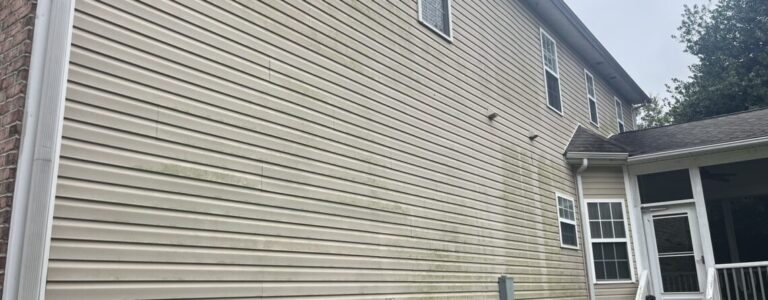
Vinyl, aluminum, and even some fiber cement siding can develop oxidation after years of exposure to sunlight, moisture, and environmental pollutants. While oxidation doesn’t necessarily mean your siding has failed, it can significantly affect your home’s appearance and may require specialized restoration.
What Causes Siding Oxidation?
Oxidation occurs when the outer protective layer of siding gradually breaks down due to environmental exposure. Several factors contribute to this process.
Prolonged UV Exposure
The sun’s ultraviolet (UV) rays slowly degrade the protective finish on siding materials. As this protective layer deteriorates, the surface begins to fade and develop the chalky residue commonly associated with oxidation.
Moisture and Humidity
Frequent rain, humidity, and changing weather conditions accelerate the oxidation process. Moisture gradually wears away protective coatings, leaving siding more vulnerable to fading and surface deterioration.
Environmental Pollutants
Air pollution, vehicle emissions, chemicals, and acid rain can all contribute to faster oxidation by breaking down exterior finishes over time.
Lack of Routine Maintenance
When dirt, mold, mildew, algae, and other contaminants are allowed to remain on siding for extended periods, they can accelerate weathering and make oxidation appear even more noticeable.
Signs Your Siding Is Oxidized
Not sure if your siding is oxidized? Watch for these common signs:
- A chalky or powdery residue rubs off onto your hand.
- The siding appears faded or unevenly discolored.
- The original color looks dull instead of vibrant.
- Sections of the home appear streaky after washing.
- The siding no longer reflects light the way it once did.
These symptoms become more common as siding ages, particularly on homes with prolonged sun exposure.
Can Oxidized Siding Be Restored?
In many cases, yes—but oxidation removal is far more involved than a standard house wash.
Removing oxidation typically requires specialized cleaning products, controlled dwell times, manual agitation with soft brushes, and careful restoration techniques. Because each home’s siding ages differently, results can vary depending on the severity of the oxidation.
It’s also important to understand that oxidation removal is a separate service from traditional house washing. Standard soft washing removes mold, mildew, algae, dirt, pollen, and other contaminants, but it does not eliminate oxidation.
When Replacement May Be the Better Option
If siding has become severely weathered or heavily oxidized, restoration may not produce the desired results.
In those situations, repainting (when appropriate for the siding material) or replacing damaged sections may provide a more cost-effective long-term solution. A professional inspection can help determine which option makes the most sense for your home.
How to Slow Future Oxidation
Although oxidation cannot be completely prevented, proper maintenance can significantly slow the aging process.
To help protect your siding:
- Schedule professional house washing once a year.
- Remove dirt, pollen, mold, and mildew before buildup becomes excessive.
- Consider protective treatments designed for your siding material.
- Trim shrubs and trees to reduce constant contact with the siding.
- Choose high-quality, UV-resistant siding materials for future replacements.
Routine maintenance helps preserve your siding’s appearance while extending its overall lifespan.
The Difference Between House Washing and Oxidation Removal
One of the most common misconceptions homeowners have is believing that every faded appearance is caused by dirt.
Professional house washing safely removes:
- Mold
- Mildew
- Algae
- Dirt
- Pollen
- Spider webs
- Surface contaminants
However, oxidation removal is a separate restoration process that requires additional labor, specialized products, and realistic expectations regarding the final appearance.
An experienced exterior cleaning professional can determine whether your siding simply needs a house wash or whether oxidation restoration should also be considered.
Trust Zap It Wash for Honest Recommendations
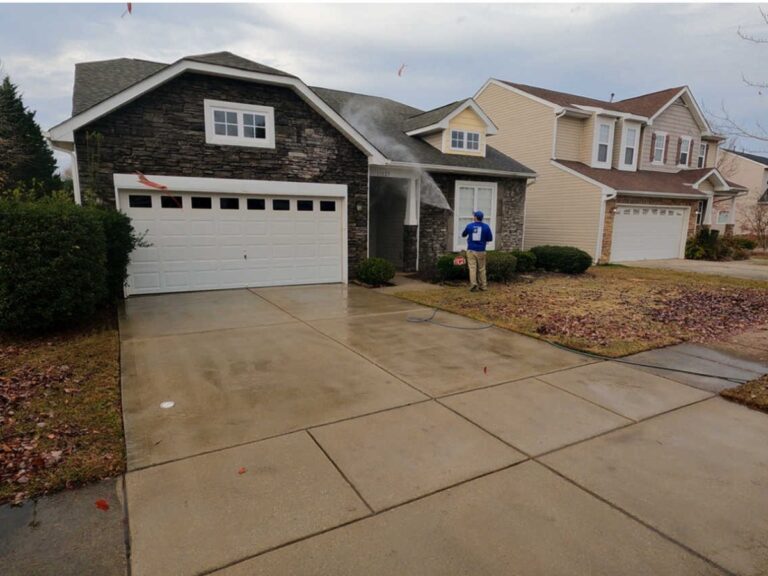
At Zap It Wash, we believe in educating homeowners and providing honest recommendations rather than overselling unnecessary services. Our experienced technicians will evaluate your siding, identify whether you’re dealing with dirt, organic growth, oxidation, or a combination of issues, and recommend the safest and most effective solution.
Whether your home needs professional soft washing or specialized oxidation restoration, we’ll help you understand your options so you can make the best decision for your property.
Schedule a Professional House Washing Service
Keeping your home’s exterior clean is one of the best ways to protect its appearance and maximize the life of your siding. While oxidation is a natural part of aging, routine house washing removes harmful contaminants that accelerate deterioration and keeps your home looking its best year after year.
Contact Zap It Wash today to schedule a professional house washing service or request an evaluation if you believe your siding may be affected by oxidation.