
What Is Artillery Fungus and Can It Be Removed?
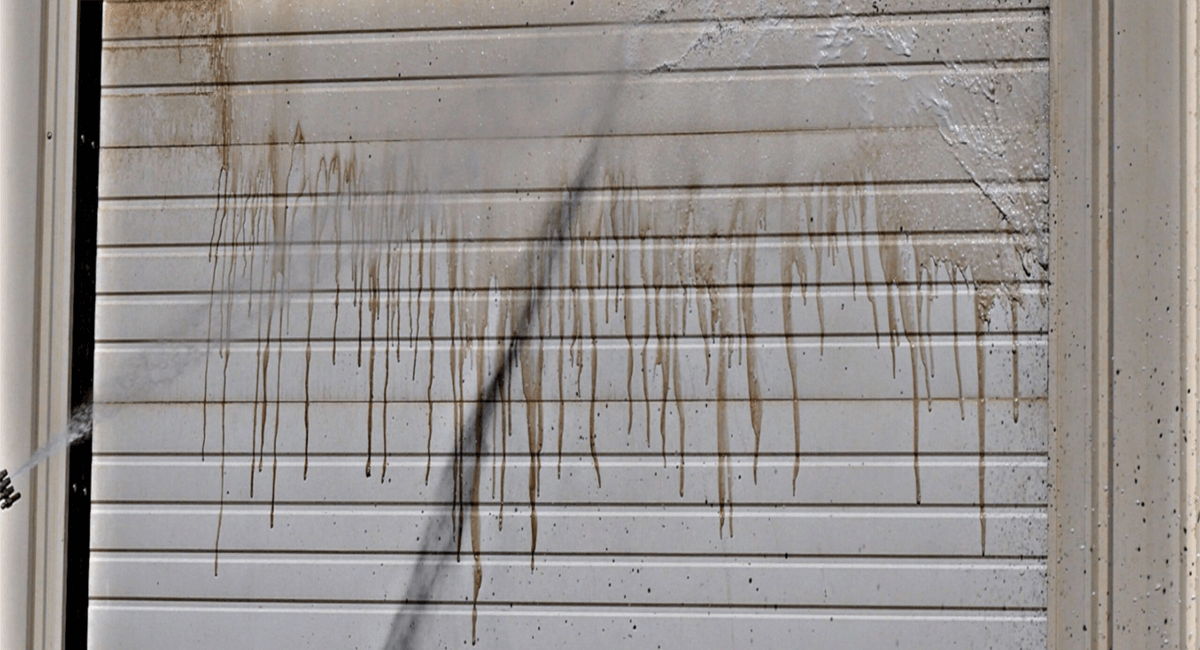
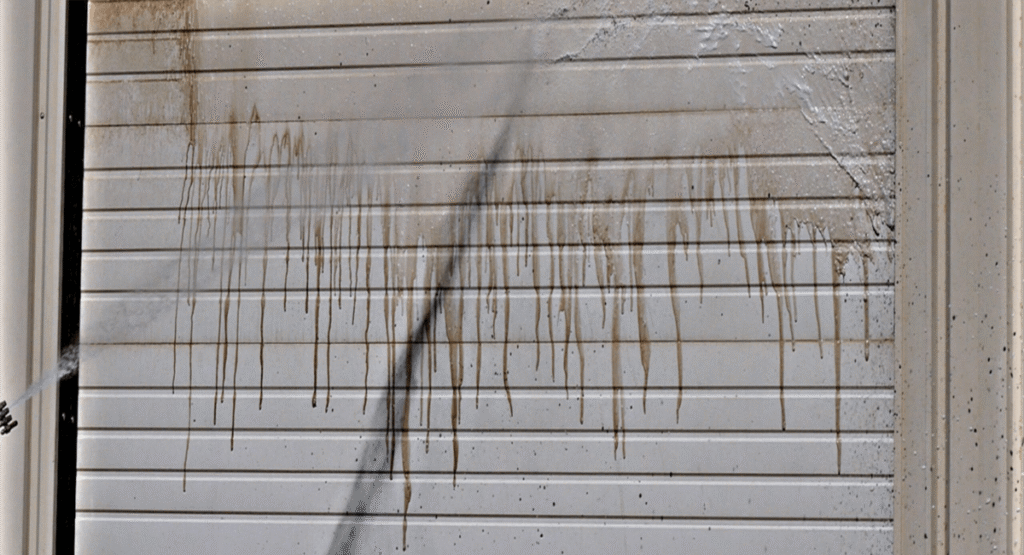
If you’ve noticed tiny black spots scattered across your home’s siding, windows, gutters, or trim, you may assume they’re bird droppings, tar, or dirt. In many cases, they’re actually caused by artillery fungus—a stubborn wood-decaying fungus that originates in certain types of landscape mulch.
Artillery fungus is notorious for launching sticky black spores onto nearby surfaces, where they adhere tightly and become extremely difficult to remove. Once attached, the spores can leave unsightly stains that often remain for years if not addressed properly.
What Causes Artillery Fungus?
Artillery fungus develops in moist, decaying organic mulch, particularly mulch that has not been fully composted. As the fungus matures, it forms tiny fruiting bodies that release dark-colored spore masses.
These spores naturally shoot toward the brightest source of light. Around your home, light-colored siding, trim, windows, and garage doors often reflect enough light to attract the spores. The result is a distinctive pattern of tiny black specks across the exterior of your home.
Homes with fresh mulch placed close to the foundation are especially susceptible to artillery fungus.
Why Is Artillery Fungus So Difficult to Remove?
Unlike ordinary dirt or mildew, artillery fungus produces an extremely sticky spore that bonds tightly to exterior surfaces.
Once the spores harden, they become incredibly resistant to cleaning. While the surface of the spore may sometimes be removed, the adhesive material underneath often remains firmly attached.
Unfortunately, this means that even aggressive cleaning methods rarely remove artillery fungus completely.
Can Pressure Washing Remove Artillery Fungus?
This is one of the biggest misconceptions homeowners have.
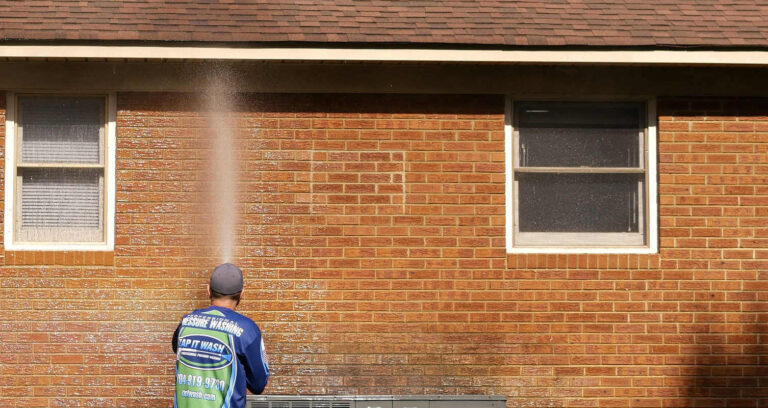
Pressure washing alone will not completely remove artillery fungus.
Because the spores adhere so strongly, increasing the water pressure typically does more harm than good. Excessive pressure can damage vinyl siding, painted surfaces, wood, and other exterior materials long before it removes the fungus.
Some removal attempts involve abrasive scrubbing, steel wool, or harsh chemicals, but these methods can scratch, discolor, or permanently damage the surface being cleaned.
Be cautious of any company that promises complete removal of artillery fungus without risk. In most cases, those claims are unrealistic.
The Best Way to Prevent Artillery Fungus
Prevention is far more effective than attempting removal after the spores have attached.
To reduce the likelihood of artillery fungus around your home:
- Keep mulch several inches away from your home’s foundation.
- Consider replacing organic mulch with decorative stone, gravel, or pine straw in areas closest to the house.
- Replace old or heavily decomposed mulch before it begins breaking down.
- Maintain proper drainage to reduce excess moisture around landscaping beds.
- Inspect your home’s siding regularly for early signs of fungal growth.
Making these landscaping adjustments can significantly reduce the chances of artillery fungus developing in the future.
Trust Honest Advice from Experienced Professionals
At Zap It Wash, we believe homeowners deserve honest information—not unrealistic promises. While we specialize in safely removing mold, mildew, algae, dirt, pollen, and other common exterior contaminants, artillery fungus is a unique issue that cannot typically be eliminated with standard pressure washing techniques.
Our experienced team will always evaluate your home’s exterior, explain what is realistically possible, and recommend the safest approach without risking damage to your siding or other surfaces.
Schedule a Professional Exterior Cleaning
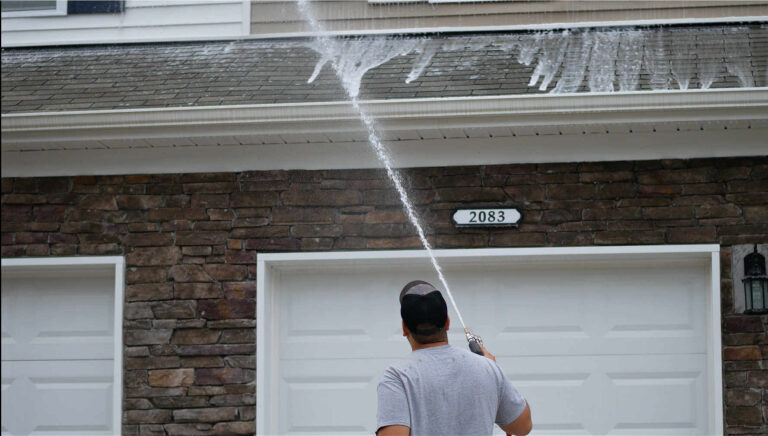
Although artillery fungus may require specialized treatment, regular house washing remains one of the best ways to keep your home’s exterior clean, healthy, and protected. Professional soft washing removes mold, mildew, algae, dirt, spider webs, and other contaminants that affect your home’s appearance and longevity.
If you’re unsure whether the spots on your siding are artillery fungus or another type of stain, contact Zap It Wash for a professional evaluation. We’ll help identify the problem, explain your options, and recommend the safest solution for your home.