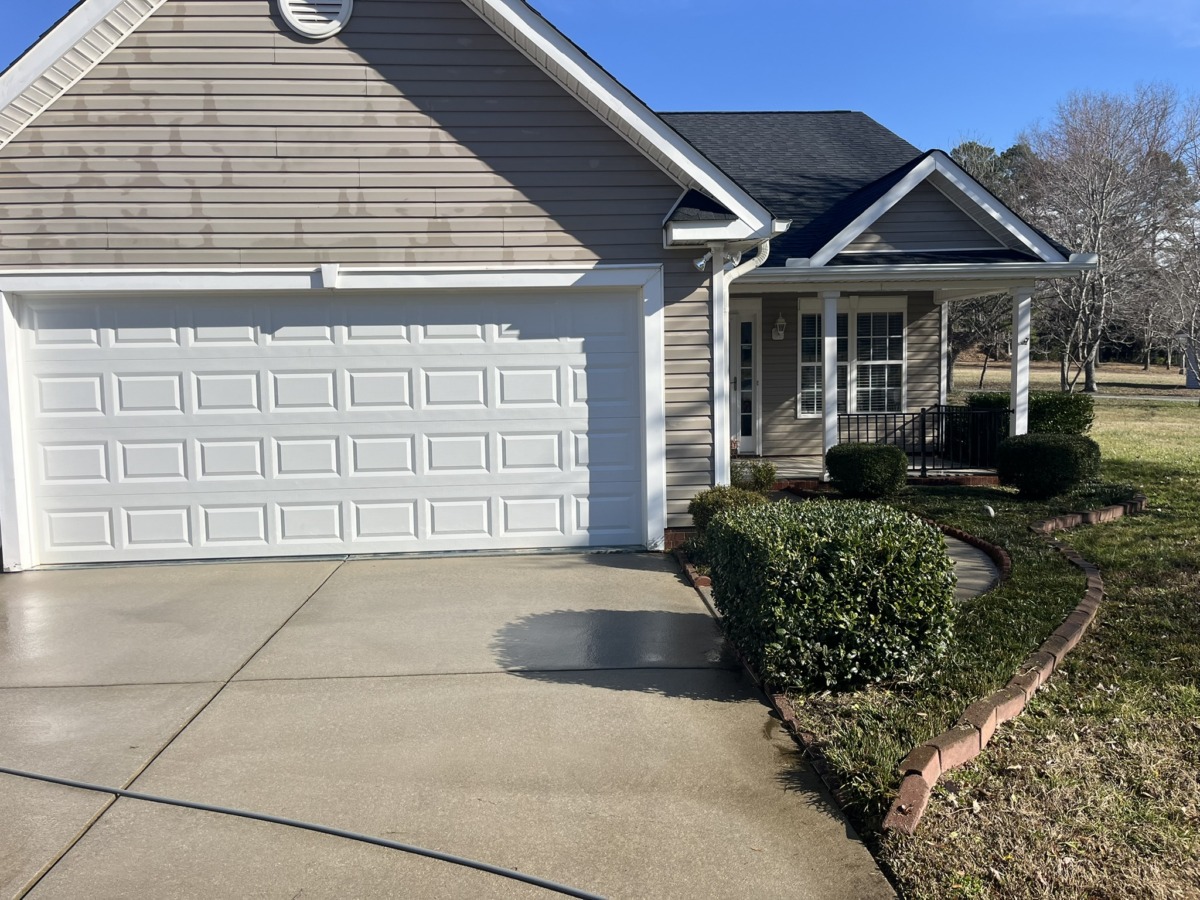
Can Pressure Washing Remove Oil Stains From a Concrete Driveway?
Yes, pressure washing can remove many oil stains from a concrete driveway, especially when combined with a concrete-safe degreaser and proper cleaning techniques. Fresh oil stains are generally easier to remove than older stains that have penetrated the concrete. While professional pressure washing can significantly improve a driveway’s appearance, deeply embedded oil stains may not disappear completely.
Your driveway is one of the first things people notice about your property. Unfortunately, oil leaks, automotive fluids, and everyday vehicle maintenance can leave stubborn stains that make even a well-maintained home look neglected.
At Zap-It Wash, we understand how frustrating it can be to see dark oil spots on an otherwise clean driveway. Concrete is porous, meaning oil can soak beneath the surface and become increasingly difficult to remove over time. Our professional exterior cleaning approach focuses on choosing the appropriate cleaning methods for each surface, helping homeowners improve curb appeal while protecting their investment.
Whether you’re dealing with a fresh oil spill or years of accumulated driveway stains, understanding how pressure washing works can help you make informed decisions about concrete cleaning.
How Professional Concrete Cleaning Helps Remove Driveway Oil Stains
Pressure washing uses a concentrated stream of water to loosen and remove dirt, grime, and surface contaminants from concrete. However, oil stains require more than water pressure alone.
Oil does not readily dissolve in water. Effective oil stain removal typically involves a combination of specialized cleaning solutions, sufficient dwell time, and controlled pressure washing.
Why Are Oil Stains So Difficult to Remove From Concrete?
Concrete contains tiny pores that allow liquids to penetrate beneath the surface. When motor oil or other petroleum-based fluids drip onto a driveway, they can soak into these pores rather than remaining on top.
Several factors influence how difficult an oil stain will be to remove:
- Age of the stain: Fresh oil is usually easier to treat than oil that has been sitting for months.
- Concrete porosity: Unsealed concrete absorbs liquids more readily than properly sealed surfaces.
- Type of fluid: Motor oil, transmission fluid, and grease can require different cleaning approaches.
- Previous cleaning attempts: Certain treatments may leave residues or fail to extract oil trapped below the surface.
- Weather exposure: Repeated heating, cooling, and moisture exposure can influence how stains spread and appear.
The longer oil remains on concrete, the greater the chance that it will penetrate deeply and require additional treatment.
Can Pressure Washing Alone Remove Old Oil Stains?
Pressure washing alone may remove surface residue and lighten older oil stains, but it often cannot completely eliminate oil that has penetrated deep into concrete.
According to the Portland Cement Association, concrete is naturally porous, and its permeability depends on factors such as its composition and curing. This helps explain why petroleum-based stains can become embedded beneath a driveway’s surface.
For older oil stains, professional cleaning often involves applying a concrete-compatible degreaser before pressure washing.
The degreaser helps break down and loosen oily contamination, making it easier to rinse away.
Even with professional equipment and cleaning solutions, some stains may leave permanent discoloration. A reputable exterior cleaning provider should explain realistic expectations before beginning treatment.
What Is the Best Way to Pressure Wash Oil Stains From a Driveway?
The most effective approach combines pretreatment, appropriate cleaning products, and carefully controlled water pressure.
A typical professional cleaning process may include:
- Inspecting the concrete: Evaluate the driveway’s condition, stain severity, and any existing cracks or damage.
- Removing loose debris: Clear dirt, leaves, and other materials from the stained area.
- Applying a concrete-safe degreaser: Use an appropriate cleaning solution to loosen oil deposits.
- Allowing proper dwell time: Give the product enough time to work according to manufacturer instructions.
- Pressure washing carefully: Use suitable equipment and pressure settings to remove loosened contaminants.
- Evaluating the results: Determine whether additional treatment is necessary.
Professionals may use surface-cleaning attachments to achieve more consistent results across large driveway areas.
However, extremely high pressure is not always better. Excessive force can etch concrete, damage weakened surfaces, or create uneven cleaning patterns.
Proper wastewater containment is also important. Oil-contaminated wash water should not be allowed to flow into storm drains.
Should You Hire a Professional for Driveway Oil Stain Removal?
Professional pressure washing is often the better option when stains cover large areas, have been present for a long time, or have resisted household cleaning methods.
Although homeowners can rent pressure washers, improper equipment use can damage concrete and create safety hazards.
Professional driveway cleaning offers several advantages:
- Appropriate equipment: Commercial-grade tools can clean large areas efficiently.
- Targeted stain treatment: Cleaning solutions can be selected based on the type of contamination.
- Reduced damage risk: Experienced operators understand how to adjust pressure and cleaning techniques.
- More consistent appearance: Professional surface cleaning can help reduce streaks and uneven results.
- Convenience: Homeowners avoid equipment rental, setup, and cleanup.
Professional cleaning can also reveal areas of concrete that may need sealing or repair.
For homeowners preparing to sell their property, host guests, or refresh their home’s exterior, driveway cleaning can make a noticeable difference.
How Can You Prevent Oil Stains From Returning?
Preventing oil from soaking into concrete is generally easier than removing deeply embedded stains.
Start by addressing vehicle leaks as soon as possible. Even a small, recurring drip can eventually create a large dark spot.
Additional prevention strategies include:
- Place drip trays beneath vehicles with known leaks.
- Clean fresh oil spills promptly using absorbent materials.
- Consider applying a concrete-compatible penetrating sealer.
- Avoid leaving automotive fluids or greasy equipment directly on the driveway.
- Schedule periodic concrete cleaning to remove accumulated dirt and contaminants.
For fresh spills, absorb as much oil as possible before applying any cleaning solution. Avoid rinsing untreated oil into nearby streets or drainage systems.
The Environmental Protection Agency emphasizes the importance of preventing pollutants from entering stormwater systems, which often discharge into local waterways without treatment.
Routine driveway maintenance helps protect both your property’s appearance and the surrounding environment.
Frequently Asked Questions About Driveway Oil Stain Removal
Will pressure washing completely remove oil stains from concrete?
Pressure washing can completely remove some fresh or shallow oil stains, particularly when used with a suitable degreaser. Older stains that have penetrated deeply into concrete may only lighten rather than disappear.
Can pressure washing damage a concrete driveway?
Yes. Excessive pressure, improper nozzle selection, or holding the spray too close can etch concrete and damage weakened areas. Professional cleaners adjust their techniques to suit the condition of the surface.
How long does it take to remove oil stains from a driveway?
Cleaning time depends on the driveway’s size, stain severity, and required pretreatment. Smaller stains may be treated relatively quickly, while extensive or older contamination may require additional cleaning time or repeat applications.
Is it better to clean oil stains before sealing concrete?
Yes. Oil stains and other contaminants should be treated before applying a concrete sealer. Sealing over existing stains can trap discoloration beneath the protective coating.
Ready to Remove Stubborn Driveway Stains? Contact Zap-It Wash!
Oil stains don’t have to define the appearance of your driveway. With the right cleaning methods and professional attention, many stains can be removed or significantly reduced.
Contact Zap-It Wash today to learn more about professional driveway pressure washing and give your concrete surfaces a cleaner, fresher appearance!