No Damage Please!
Correct Pressure Washing Causes No Damage!
You must take several safety measures in order to pressure wash a house successfully. In fact, you can cause irreversible damage if you don’t have proper experience and knowledge of how to pressure wash a house. No, it’s not heart surgery, but like anything, experience and know-how is key.
We Use The Right Amount Of Pressure: Pressure washing and power washing are two terms that are often used interchangeable. Typically, the higher the pressure, the higher the risk of damage. Certain surfaces, like concrete, can handle a rather large amount of pressure. Pressure washing a home isn’t as simple as picking one pressure and lugging a machine around your yard. You must know the surface you’re washing, what it’s made of, and the right psi to use when washing it.
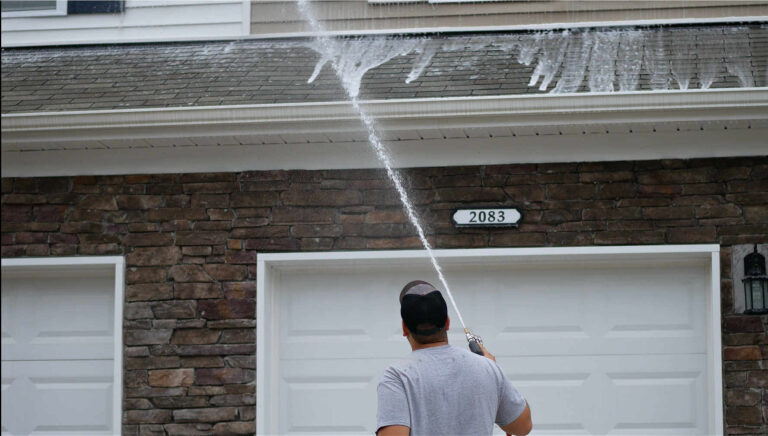
Safe Distances To Pressure Wash: The distance from a pressure washing wand to the surface being cleaned is just as important as the pressure being used. Think about if you were to use a high amount of water pressure three inches from the surface of a home. What would happen? Well, you’d certainly get rid of any dirt on the surface. But youd also mark, scratch, and discolor the surface. Just like pressure, distance is determined by the surface being washed. Vinyl siding is different than stucco siding. Concrete patios are different than brick. You must take this into account.
Pressure Washing Techniques: Believe it or not, there’s a science (and skill!) to power washing. Let’s compare it to swinging a golf club. There are many parts to a swing and a lot that can go wrong (believe me). Gripping the club wrong? You may slice it. Peek your head too early? The balls end up a few feet in front of you. While pressure washing may not be that complex, it does require quite a bit of practice and knowledge. Let’s look at siding for an example. Vinyl siding has gaps in between each of its sections. If you pressure wash against the grain and where the gaps are exposed, water has a good chance of flowing behind the siding. It would be almost impossible to know that as homeowners pressure washing their home for the first time.
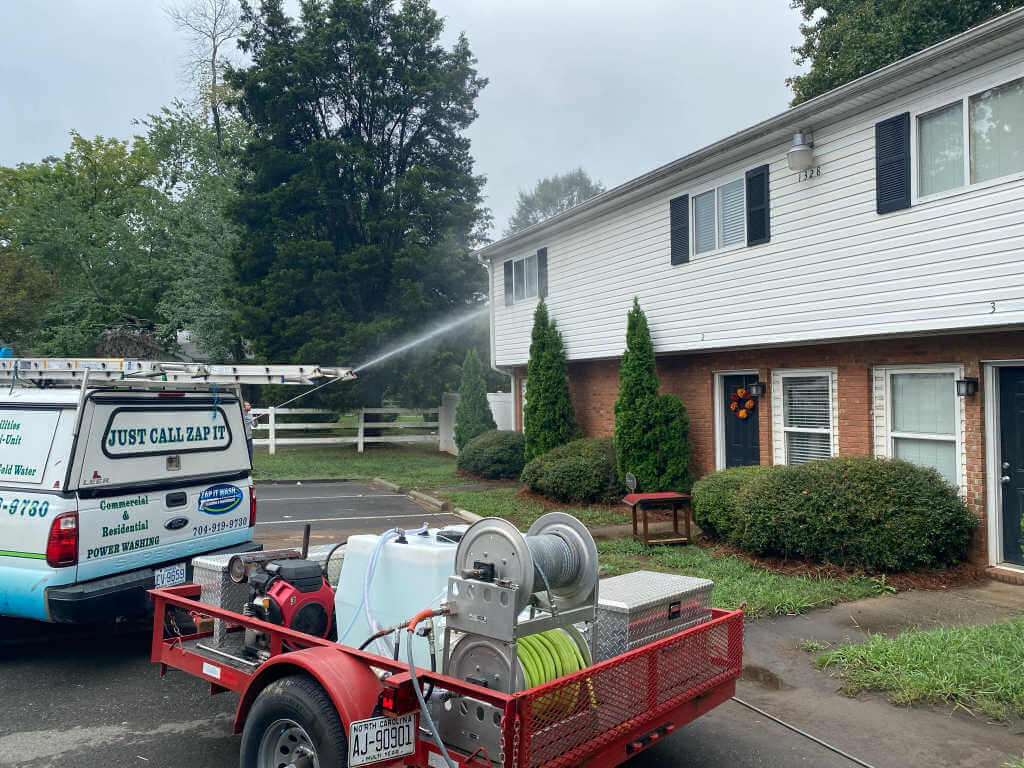
How To Avoid Pressure Washing Damage: With so much at stake, pressure washing is best left to the professionals. Although we may be biased because we love our Charlotte NC pressure washing company, we truly believe a professional cleaning is needed in order to achieve the best results possible. First and foremost, that means your house is safe and left undamaged. With Zap It Wash, it also means your home will be perfectly cleaned. When you work with us, you can sit back and relax knowing there’s nothing to worry about. We’re a fully insured company that guarantees to deliver the best results possible for your property using our safe and effective processes. Otherwise will will give your money back, simple as that!
- Choose the Right Pressure and Nozzle: Different surfaces require different levels of pressure. Using too much pressure on delicate surfaces can cause damage. Start with low pressure and adjust as needed. Also, use a wide-angle nozzle for softer surfaces and a narrow-angle nozzle for tougher stains.
- Use the Right Detergent: Using a cleaning solution appropriate for the surface being washed can help loosen dirt and grime, reducing the need for excessive pressure. Make sure the detergent is compatible with your pressure washer.
- Keep a Safe Distance: Maintain a safe distance between the nozzle and the surface being cleaned. Start farther away and gradually move closer until you find the optimal distance where the dirt is effectively removed without causing damage.
- Test in a Small Area: Before starting to pressure wash a large area, test the pressure washer in a small, inconspicuous area to ensure it won’t cause damage.
- Protect Nearby Objects: Cover delicate plants, electrical outlets, and other objects nearby to prevent damage from the pressure washing.
- Wear Protective Gear: Eye protection and gloves are essential to protect yourself from debris and splash back.
- Follow Manufacturer’s Instructions: Always follow the manufacturer’s guidelines for operating your pressure washer safely and effectively.
- Work in Sections: Divide the area to be cleaned into manageable sections and work on one section at a time to ensure thorough cleaning and prevent fatigue.
- Avoid High Pressure on Sensitive Surfaces: Be cautious when pressure washing surfaces like wood, siding, and asphalt shingles, as excessive pressure can cause damage. Use lower pressure settings and wider nozzles for these surfaces.
- Rinse Thoroughly: After pressure washing, thoroughly rinse the area with clean water to remove any remaining detergent or debris.
By following these guidelines, you can safely and effectively pressure wash various surfaces without causing damage.